
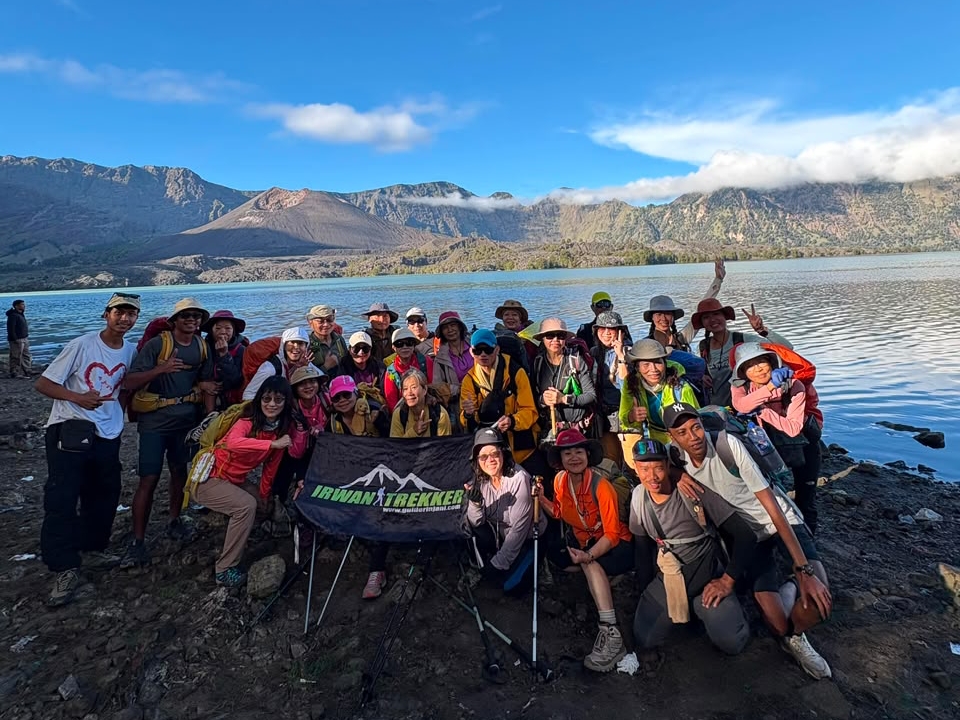
How to Choose the Best Rinjani Trekking Guide: 7 Red Flags to Avoid
Climbing Mount Rinjani (3,726 meters) is one of the most rewarding adventures in Indonesia—but it is also physically demanding, cold at night, and logistically complex. Because international hikers are legally required to hike with a licensed operator, choosing the best Rinjani trekking guide is the single most important decision you will make before arriving in Lombok.
With hundreds of agencies and independent brokers operating in Senaru, Sembalun, and Senggigi, it can be hard to tell a genuinely professional team from a budget middleman. To protect your safety, comfort, and budget, watch out for these 7 red flags before paying a deposit.
1. Suspiciously Cheap Prices
If an all-inclusive 3D2N Mount Rinjani package is priced drastically lower than the market average, ask yourself where the money is being cut. Fixed costs—like the official eRinjani national park permit, private island transport, fresh food,and fair wages for guides and porters—cannot be discounted.
Ultra-cheap packages usually cut corners in one of three ways:
-
Providing worn-out, leaky tents and thin sleeping bags.
-
Serving minimal, low-energy meals (like plain instant noodles).
-
Severely underpaying porters or overloading them with excessive weight.
2. No Proof of Official License or eRinjani Registration
Mount Rinjani National Park (TNGR) enforces a strict digital quota via the eRinjani system. Unlicensed brokers sometimes promise last-minute “backdoor” entry or claim they will sort out permits when you arrive at the gate.
What to do instead: Always confirm that your operator is a registered Trekking Organizer (TO) and ask for your official eRinjani booking confirmation once your deposit is paid.
3. Vague Descriptions of Camping Gear and Food
Temperatures at the Sembalun and Senaru Crater Rims regularly drop to 2°C–5°C (35°F–41°F), and winds on summit night can feel even colder. A red flag is an itinerary that simply says “camping gear and meals included” without specifying quality.
A reliable Rinjani guide will transparently tell you:
-
The thickness of the sleeping mattress (e.g., 5–7 cm foam for Deluxe vs. standard).
-
Whether tents are waterproof double-layer domes.
-
How many liters of safe drinking water are provided per person, per day (at least 3 liters/day is standard).
-
Whether they can accommodate vegetarian, vegan, or gluten-free diets.
4. Zero Mention of Porter Welfare and Trash Management
Porters are the backbone of every Mount Rinjani expedition. Unfortunately, some budget operators force porters to carry 30+ kg in flip-flops without proper jackets or sleeping gear, and leave plastic waste behind at campsites.
Look for a company that openly commits to ethical trekking: fair daily wages, reasonable load limits (around 20–25 kg),proper gear for their crew, and a strict carry-in, carry-out zero-waste policy.
5. Overcrowded Sharing Groups
Joining a sharing group is a great way for solo travelers to save money, but watch out for operators who cram 10 or more hikers under a single guide. On steep trails and during the dark summit push, hikers naturally move at different speeds.
A safe guide-to-hiker ratio on Mount Rinjani is 1 guide for every 4 to 6 trekkers (or an assistant guide for larger groups).That way, if one hiker needs to turn back early, nobody is left walking alone.
6. No Clear Safety Protocol or First-Aid Preparation
Altitude fatigue, twisted ankles, dehydration, and hypothermia are real risks on Rinjani. If an operator brushes off your safety questions with “don’t worry, it’s easy,” treat it as a major warning sign.
The best guides carry a stocked first-aid kit, understand the early symptoms of altitude sickness, check weather forecasts before summit night, and know the exact evacuation routes if an emergency occurs.
7. Unverified Reviews or Stock Photos
Be cautious of websites that use generic stock photos of other mountains or only display anonymous text quotes with no external proof. Check recent, verifiable reviews on Google Maps or TripAdvisor—specifically looking for hikers who mention their guide’s name, food quality, tent condition, and communication speed.
Quick Checklist: What Makes a Great Rinjani Trekking Guide?
Before you book, make sure your operator checks these boxes:
-
Local Expertise: Based directly in Lombok (Sembalun or Senaru) rather than a third-party reseller.
-
Clear Communication: Fast, transparent answers on WhatsApp regarding routes, fitness levels, and inclusions.
-
Flexible Pacing: Willing to adjust walking speed to your comfort level, especially on private treks.
-
Transparent Pricing: No surprise fees for national park tickets, transfers, or trekking poles at the trailhead.
Climb with Confidence Alongside Irwan Trekker
At Irwan Trekker, we believe a great mountain experience starts with honesty, safety, and respect for both our guests and our local porter team. Based in Lombok, our certified crew leads private and small-group expeditions across Sembalun,Senaru, and Torean with well-maintained gear, freshly cooked mountain meals, and guaranteed eRinjani permits.
If you are ready to plan a safe, well-organized climb, explore our packages with a trusted Rinjani trekking guide today.
Have questions about routes, fitness, or available dates? Message Irwan Trekker directly on WhatsApp for honest advice and a clear, all-inclusive quote.