
Pack In and Pack Out – Mount Rinjani is one of Indonesia’s most beautiful trekking destinations, but the experience of hiking through its landscapes also comes with a responsibility that every visitor needs to understand. As the number of trekkers increases, so does the potential amount of waste brought into the mountain area.
This is why waste management has become an important part of the Rinjani trekking experience. The pack in and pack out system is designed to make every trekker responsible for the waste generated by their own belongings. In 2026, this principle continues to be an important part of the trekking procedure at Mount Rinjani, supported by the park’s Zero Waste approach. The official TNGR website also emphasizes the obligation to bring reusable food and drink containers and to take waste back out of the mountain area.
For first-time trekkers, the terms pack in and pack out may sound simple, but the actual process involves checking, recording, sorting, and verifying your belongings and waste. Understanding the procedure before arriving at the entrance gate can help you avoid unnecessary problems during check-in and check-out.
Here is what you need to know about the Rinjani Mountain pack in and pack out requirements in 2026.
What Does Pack In and Pack Out Mean in Hiking?
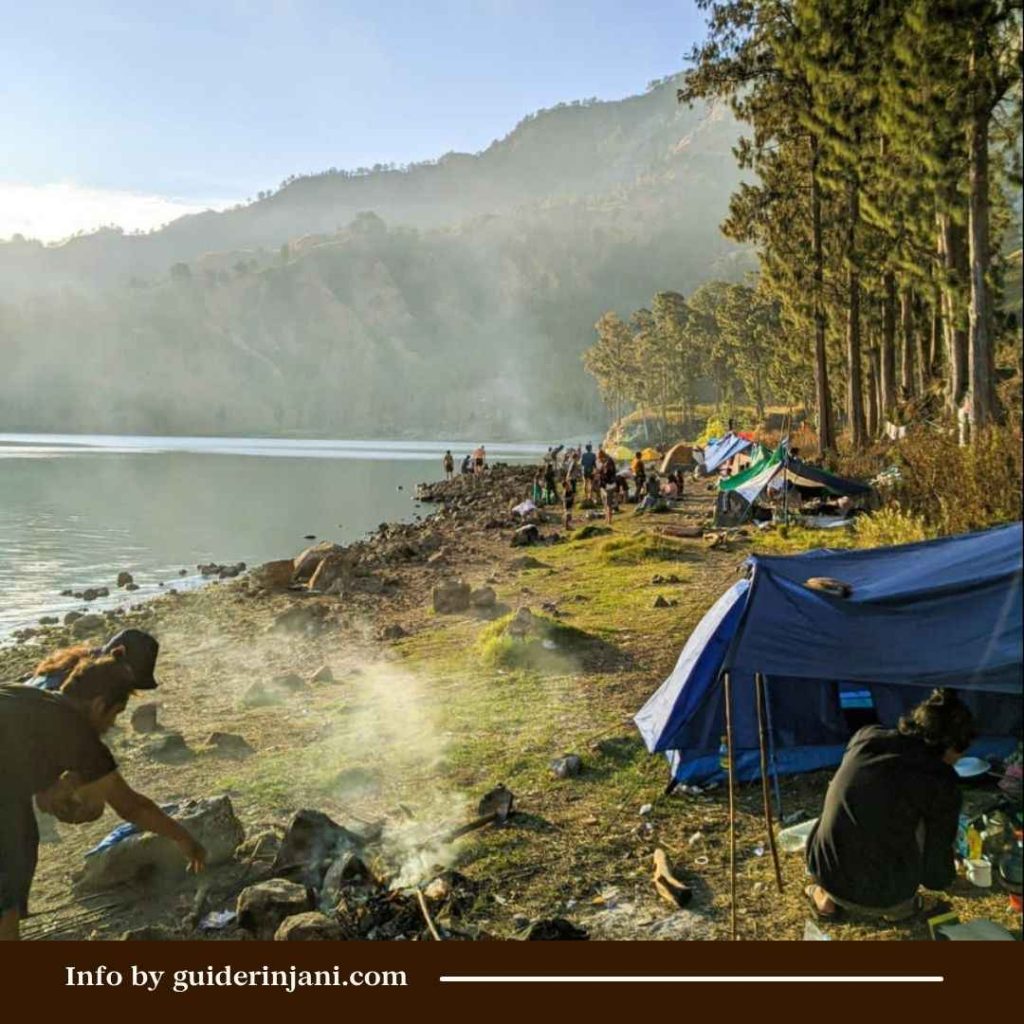
Pack in and pack out is a waste-management principle that asks hikers to take responsibility for what they bring into a natural area and what they bring back out.
In simple terms, pack in means that anything you bring into the mountain that has the potential to become waste must be properly managed and recorded. Meanwhile, pack out means taking the resulting waste back with you and submitting it for inspection when you leave the trekking area.
Mount Rinjani has implemented this system as part of its efforts to reduce waste in the national park. Official TNGR materials describe pack in as the inspection and verification of visitors’ potentially waste-producing belongings at the entrance, while pack out involves checking and verifying the waste and reusable containers at the exit.
The principle is closely related to Leave No Trace: whatever you bring into the mountain should not simply be left behind.
This means your responsibility starts before you begin hiking. Instead of bringing food and drinks in layers of disposable packaging, you are expected to prepare and transfer them into reusable containers whenever possible.
The goal is not simply to make trekkers carry their rubbish. It is to change the way visitors prepare for a mountain trip—from bringing disposable packaging into the forest to planning their supplies with waste reduction in mind.
Also Read: How to Check the Rinjani Trekking Quota and Book Your Permit
Rinjani Mountain Pack In and Pack Out Requirements in 2026
The pack in and pack out system is also part of Rinjani’s Zero Waste approach. The principle is straightforward: trekkers must take responsibility for their own waste and ensure that potentially waste-producing food and drink items are properly managed before entering the trekking route.
The process begins when you show the belongings you plan to bring during the trek to the inspection officers.
1. Pack In
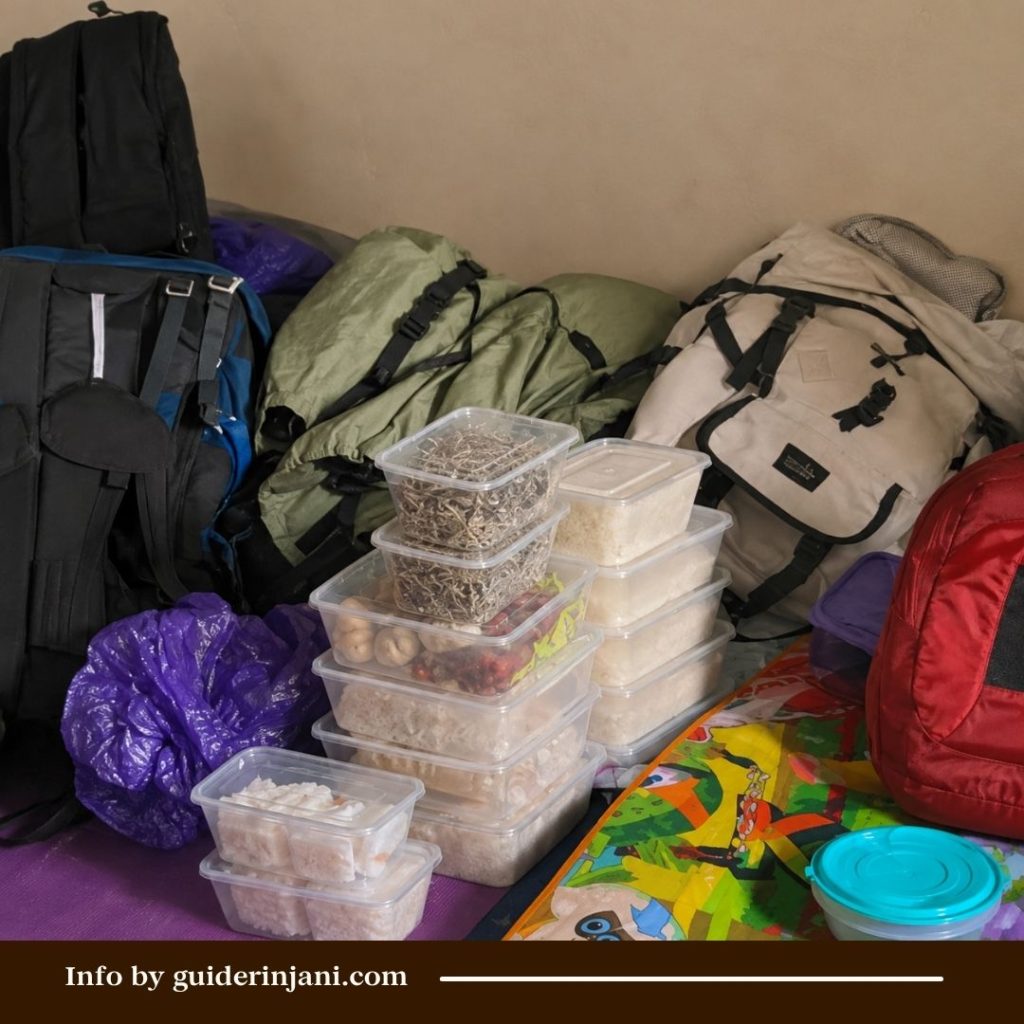
The first stage is pack in, which takes place at the entrance of the trekking route.
Before checking in, you should already have prepared your food and drinks according to the applicable requirements. The official trekking procedure requires trekkers to use reusable containers for food and beverages and to repackage belongings that have the potential to create waste.
During the inspection, officers will check several things.
First, you must use reusable containers. Food and drinks should be transferred into containers that can be used repeatedly and refilled. The trekking SOP specifically requires food and beverages to be placed in reusable and refillable containers rather than disposable packaging.
Second, prepare your fruits and vegetables before arriving. Vegetables and fruits should be cleaned and cut beforehand. This simple preparation helps reduce unnecessary packaging and food waste during the trek.
Third, record potentially waste-producing food and drink items. If certain food or beverage items cannot be repackaged, you need to input the relevant information into the eRinjani system along with the reusable containers you are bringing. This allows the items to be checked against your recorded belongings.
Fourth, do not bring hazardous materials. Items containing hazardous and toxic substances are not permitted as part of the trekking belongings.
Fifth, prohibited substances are not allowed. Trekkers cannot bring alcoholic beverages, narcotics, or other prohibited substances regulated by the Indonesian government.
So, before you arrive at the entrance gate, do not wait until the inspection to start repacking. Ideally, your food and drinks have already been transferred into reusable containers. Your fruits and vegetables have been prepared, and the potentially waste-producing items have been recorded.
2. Pack Out
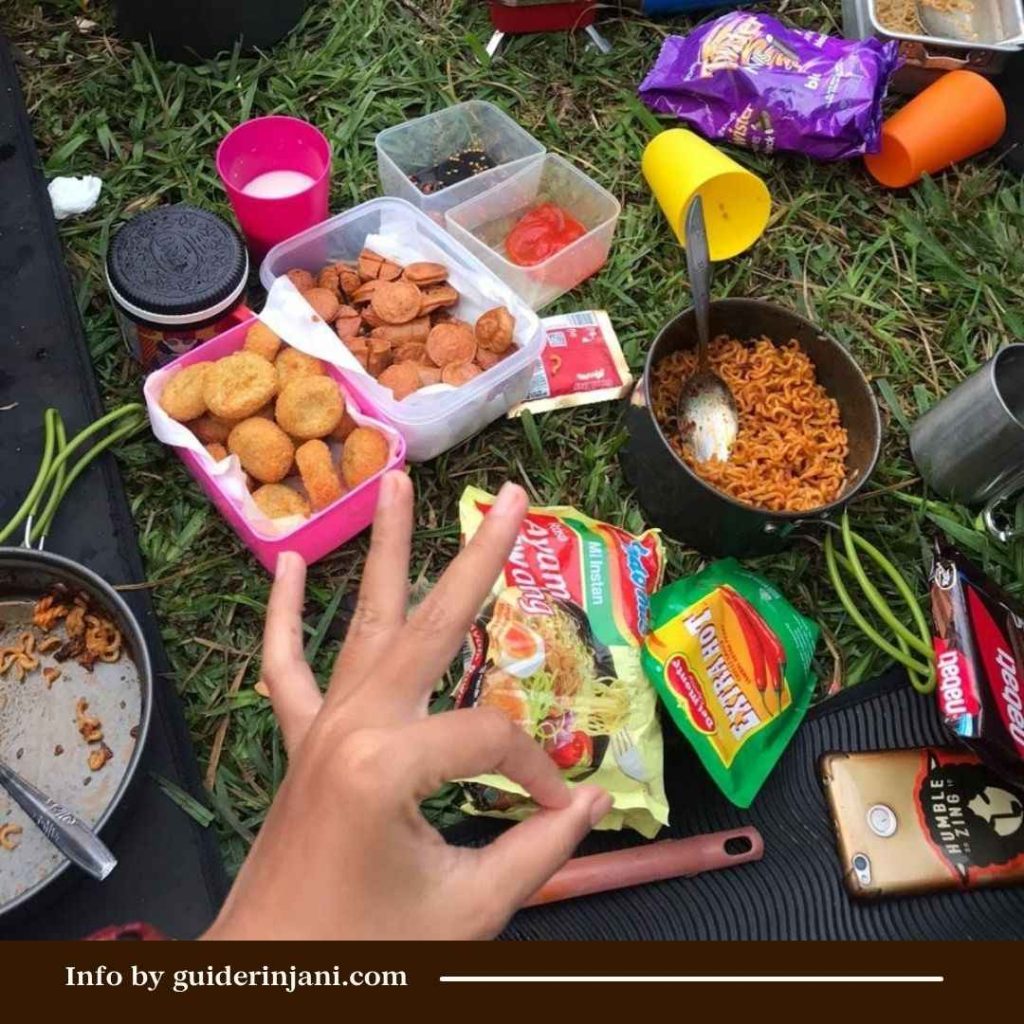
After completing your trek, you will enter the second stage: pack out. At the exit gate, you must report to the inspection officers. And submit the waste you have carried down from Mount Rinjani. The waste should already have been sorted according to the applicable categories.
The officers will then verify your waste and belongings. The verification process includes:
- Checking your waste sorting. You are expected to separate your waste according to its type and place it in the designated collection area.
- Comparing your waste with the recorded data. Officers will check whether the waste you bring down corresponds with the information recorded in the waste checklist or system.
- Weighing and recording the waste. The type, quantity, and/or weight of the waste may be recorded as part of the verification process.
- Recommending sanctions when necessary. If the waste you bring down does not correspond with the registered information, officers can recommend sanctions according to the applicable regulations.
The official trekking procedure confirms that trekkers must report at the exit gate. Present their e-ticket or booking information, sort their waste, and submit it according to the waste checklist.
Only after completing this process can you proceed with check-out. This is why you should never think of pack out as simply “bringing your trash down.” Your waste needs to correspond with what was recorded when you entered.
The system is designed to make trekkers accountable from the beginning of their journey until they leave the national park. TNGR has also stated that pack in and pack out inspections and blacklisting sanctions are among the measures used to address waste problems on the mountain.
Also Read: Is August Really Rinjani’s Peak Season? Latest Booking Data
Let’s Hike Mount Rinjani with Official Local Trekking Experts

Rinjani is more than just a trekking destination for us. It is home.
We are Irwan Trekker, a trekking company founded by local adventurers from Lombok who grew up under the shadow of Mount Rinjani. What started with a deep love for our local mountain has grown into a trusted trekking agency dedicated to creating world-class outdoor experiences.
As local trekking experts, we understand that enjoying Rinjani also means protecting it. That is why we strictly support the Zero Waste trekking principle and help ensure that waste from every expedition is brought back down and handled properly.
With us, you can experience a trekking journey that is safe, environmentally responsible, and unforgettable. Guided by certified local experts, supported by quality trekking equipment, and accompanied by comprehensive logistics services in Lombok.
Planning to hike Rinjani soon?
Let’s talk first. We do not know whether our trekking packages will be the right fit for you. And you should be able to decide for yourself after discussing your plans with our team.
Want to talk? Contact us via WhatsApp here.