
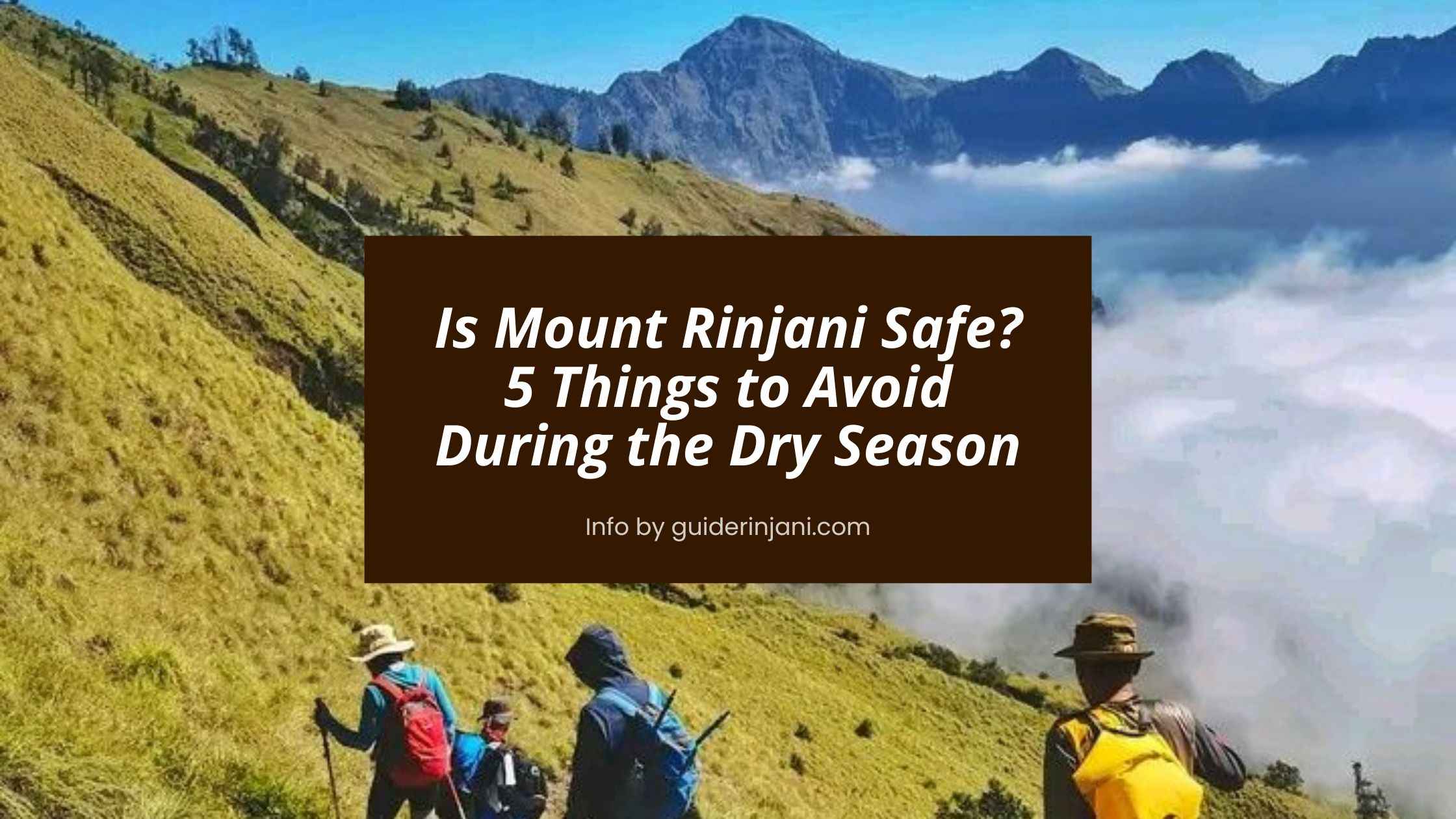
Is Mount Rinjani Safe – Mount Rinjani is one of Indonesia’s most popular hiking destinations, attracting hikers who want to experience its crater lake, sunrise, volcanic landscape, and challenging trails. But every hiking season comes with different conditions, and the dry season requires extra attention.
During the dry season, the trails and surrounding vegetation can become much drier. This means hikers need to think not only about their own safety, but also about the condition of the mountain itself. A small mistake involving fire, cigarettes, cooking equipment, or waste can create a much bigger problem when the environment is dry.
So, is Mount Rinjani safe to hike during the dry season? The answer depends on the current conditions, the regulations in place, and how responsibly hikers behave on the mountain.
5 Things to Avoid During the Dry Season for a Safe Rinjani Hike
If you are planning to hike Rinjani during the dry season, here are five things you should avoid to help keep your trip safe while protecting the mountain.
1. Cook with Care
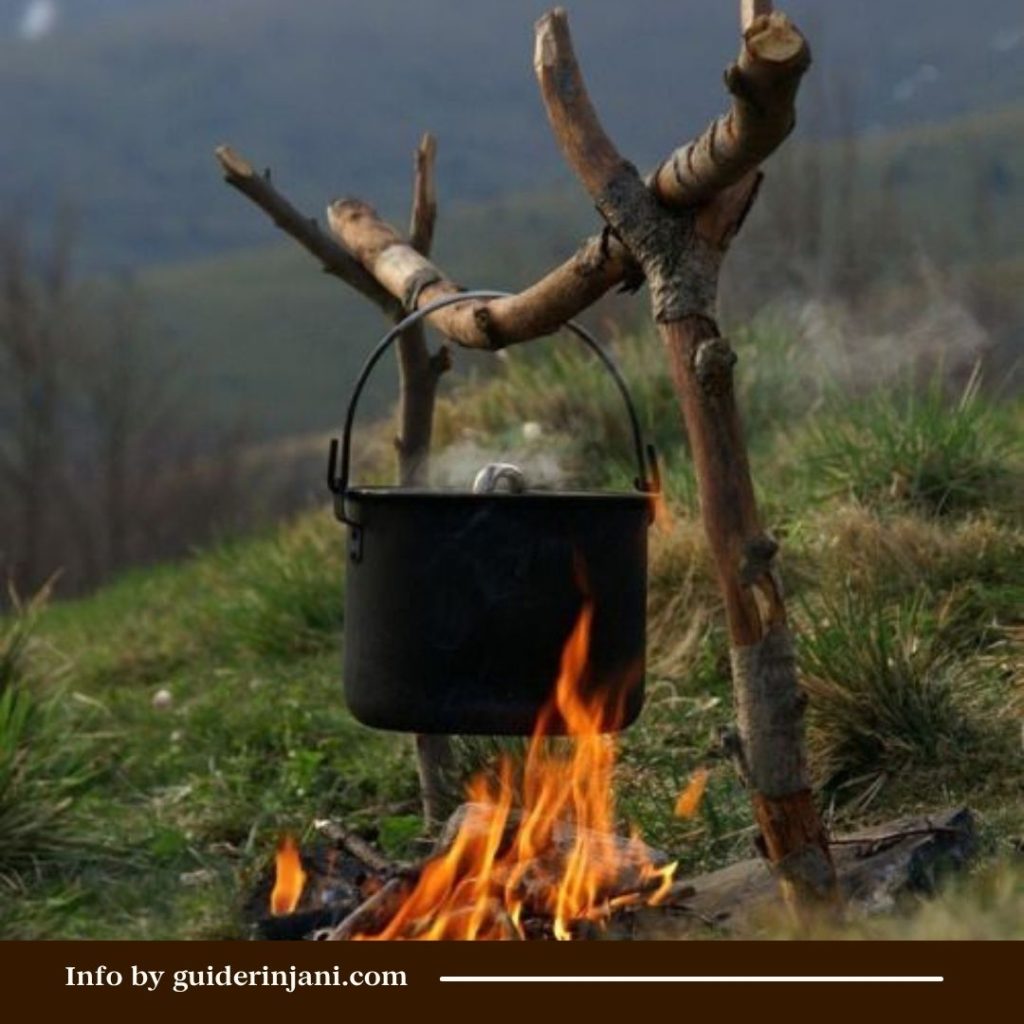
Want to cook during your Rinjani hike? Pay attention to where you set up your stove. Always use a camping stove in a safe and open location, away from dry grass, bushes, leaves, and other vegetation. During the dry season, these materials can catch fire more easily, especially when conditions are hot and dry.
You should also avoid setting up your stove in an area exposed to strong wind. A sudden gust can cause a flame to spread or carry burning material toward nearby vegetation.
Cooking may seem like a routine part of camping, but the location matters. Before you start, look around and make sure there is enough distance between your heat source and anything that could burn.
Most importantly, do not leave your cooking area immediately after turning off the stove. Make sure the flame and heat source are completely extinguished before leaving. A few extra minutes of checking can prevent a much bigger problem.
2. Watch for Fire Hazards
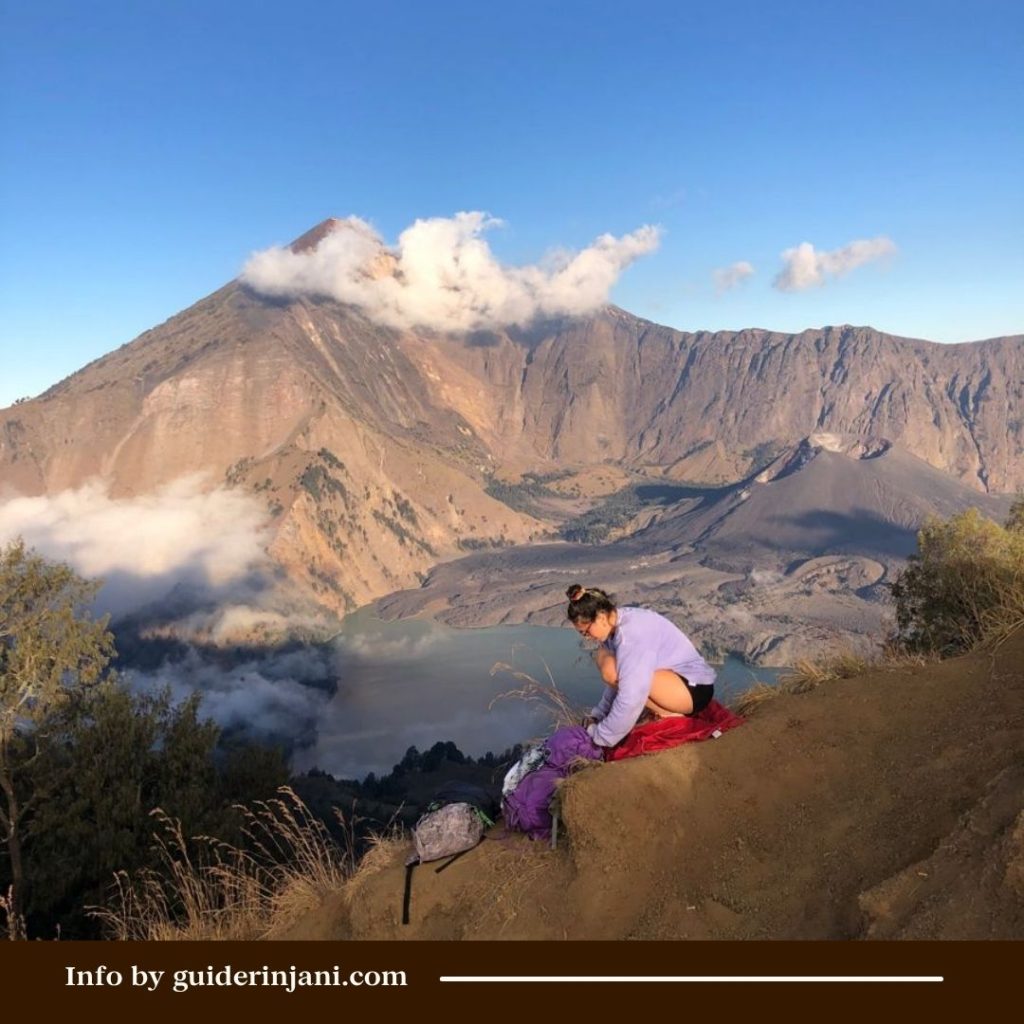
During the dry season, even a small source of heat can become a serious problem. That is why hikers should pay attention to the items they bring and leave behind on the mountain. Do not leave glass bottles, glass containers, or other objects in nature that could potentially increase the risk of a hot spot or fire under certain conditions.
Why glass? Under certain circumstances, glass can reflect or concentrate sunlight. When combined with dry vegetation and strong sunlight, this may contribute to the formation of a hot spot and increase the risk of fire.
This does not mean every glass object will automatically start a fire. However, when the environment is already dry, it is better not to create unnecessary risks.
The simple rule is: take your belongings and waste with you. The mountain is not a place to leave anything behind just because it seems harmless.
3. Smoke? Dispose of Butts Properly
If you smoke while hiking, be especially careful with cigarette butts. Never throw away a cigarette butt while the ember is still burning. A small ember can ignite dry grass, leaves, or other vegetation. Once a fire starts in dry conditions, it can spread much faster than you might expect.
Do not throw cigarette butts onto the trail, into bushes, or anywhere near dry vegetation. Instead, prepare a dedicated container or small fireproof pouch for your cigarette butts. Make sure every cigarette is completely extinguished before storing it. And remember, putting a cigarette out by simply dropping it on the ground is not enough.
A cigarette butt may look harmless after the visible flame disappears, but an ember can remain hot. Take the extra step to make sure it is completely out.
4. Don’t Burn Trash
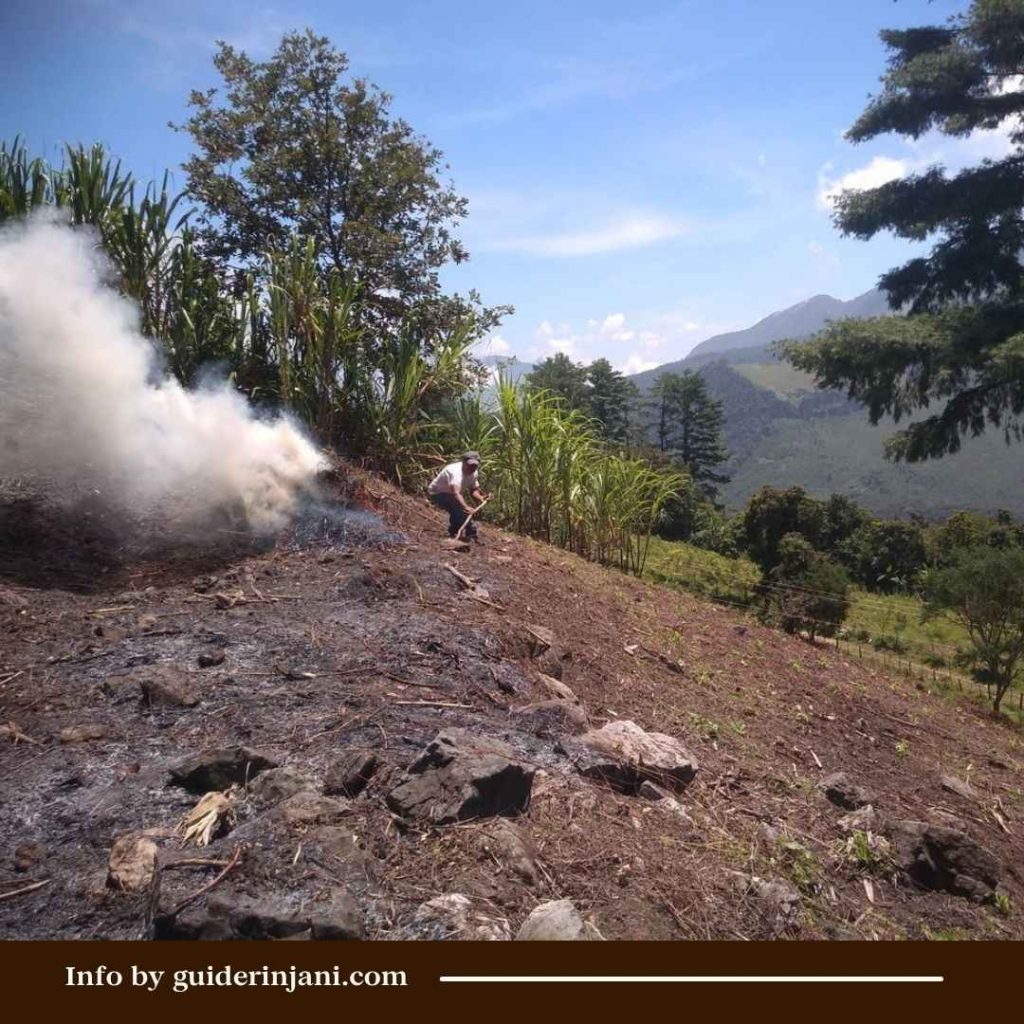
Do not burn your trash in the hiking area. Burning waste may seem like a quick way to reduce what you have to carry, but it can create several problems. Most importantly, an uncontrolled fire can spread to dry vegetation and potentially cause a larger wildfire.
Smoke and the remains of burned materials can also affect the surrounding environment. Not every type of waste is suitable for burning, and leaving ash or partially burned materials behind does not mean the waste has disappeared.
The better approach is simple: pack your trash and bring it back with you. Do not leave a fire source behind after cooking or camping, and never assume that a small fire is harmless simply because it appears to be under control.
Rinjani is a natural area that belongs to everyone. Keeping it clean and free from unnecessary fire risks is part of respecting the mountain.
5. See Smoke or Fire? Report It
If you see smoke or a possible fire during your hike, do not ignore it. Report it to the officers as soon as possible and provide the clearest location information you can. Tell them where you saw the smoke, what direction it was coming from, and any other details that may help them locate the area.
Do not wait until the fire becomes large before reporting it. Early information can give officers more time to respond and prevent a small incident from becoming a much bigger one.
During the dry season, let’s be more careful, more aware, and work together to prevent fires in Mount Rinjani National Park.
Also Read: How to Check the Rinjani Trekking Quota and Book Your Permit
Is Mount Rinjani Safe to Hike? Now and in the Future
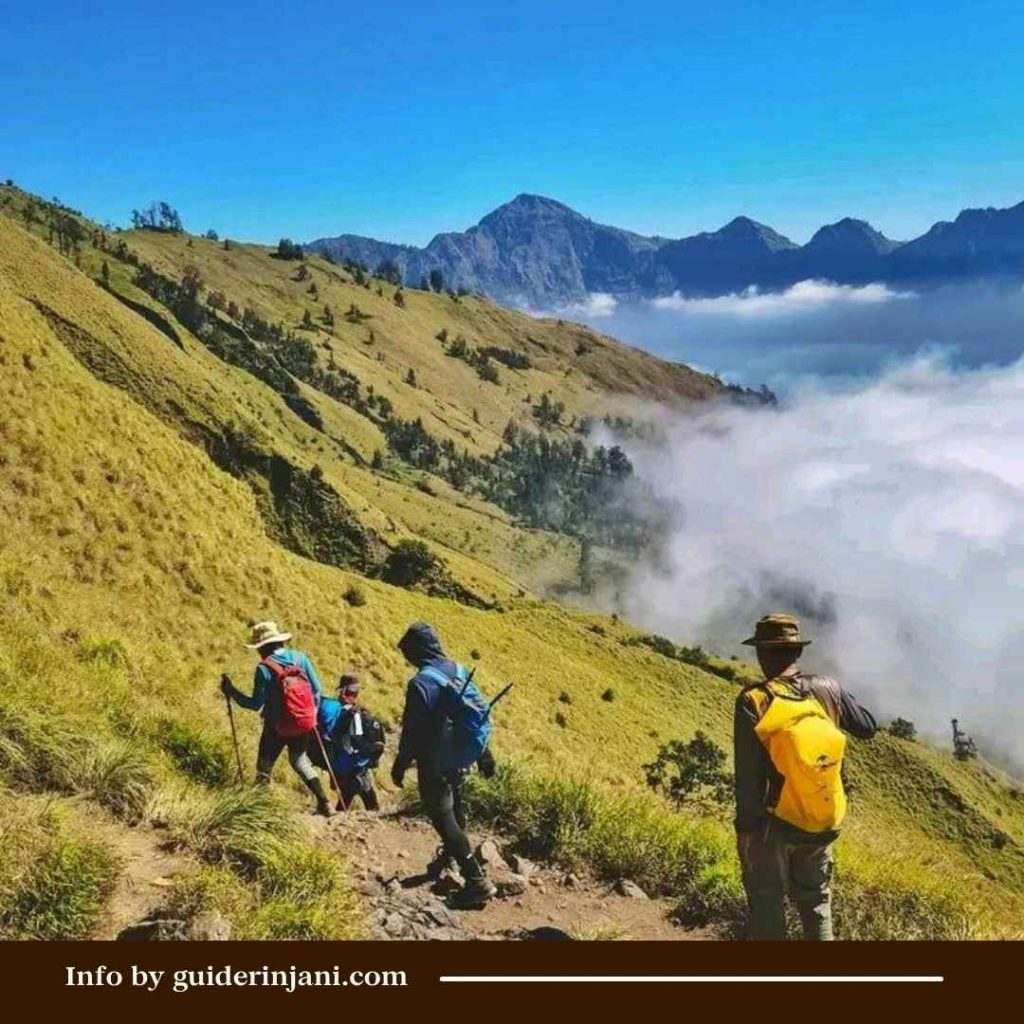
So, is Mount Rinjani safe to hike? There is no single answer that applies to every day or every hiking season. Mountain safety can change depending on weather, trail conditions, volcanic activity, fires, regulations, and other factors.
For that reason, hikers should always follow the latest instructions from the authorities managing the mountain.
As long as the Mount Rinjani National Park authorities, or BTNGR, have not closed the mountain and hiking is permitted under the regulations currently in place, Rinjani can be approached according to those rules and safety procedures.
The important point is not simply asking whether Rinjani is “safe” or “unsafe.” A responsible hiker also needs to ask: What are the current conditions, what rules apply, and what can I do to reduce the risks? This is especially important during the dry season.
Following regulations, preparing properly, staying alert to changing conditions, and respecting the natural environment all play a role in making a Rinjani hike safer.
Safety is not only about avoiding danger. It is also about knowing when to follow instructions, when to adjust your plans, and when the mountain needs to be treated with extra caution.
Also Read: Rinjani Mountain Pack In and Pack Out Requirements in 2026
Let’s Hike Mount Rinjani Safely with Irwan Trekker

We believe that when you hike Mount Rinjani, having an experienced guide and porter can make the journey more comfortable and better prepared. If you are concerned about safety during your Rinjani adventure, we would like to introduce ourselves: Irwan Trekker.
With more than 10 years of experience in Rinjani trekking, we understand the terrain, the conditions, and the situations that can happen during a hike. More importantly, experience teaches you that not every situation can be handled in exactly the same way.
Sometimes, you need to adjust your plan. Sometimes, you need to choose another option. And sometimes, you need to know what you should and should not do based on the conditions around you.
Years of experience on the mountain help us develop better instincts and prepare different options when conditions change. We believe that experience is not only about knowing the trail, but also about knowing how to respond when something unexpected happens.
Irwan Trekker is also presented as a Rinjani information and trekking tour service, with a focus on helping travelers book their Mount Rinjani trips.
We have received good feedback through platforms such as Google and TripAdvisor, but for us, your opinion is what matters most.
You do not have to take our word for it. Let’s talk first. Ask us about the route, the conditions, the preparation, or anything you are concerned about before your Rinjani hike. Then you can decide for yourself whether our experience and approach are the right fit for your journey.
Ready to experience Mount Rinjani? Let’s talk and plan your hike