
Is Mount Rinjani Cold – If you are planning to climb Mount Rinjani for the first time, you may already prepare for the long trekking route, steep climbs, and rocky summit trail. But there is one thing that many first-time hikers underestimate: the cold temperature at night.
So, is Mount Rinjani cold? Absolutely. In fact, the temperature around the higher parts of Mount Rinjani can feel extremely cold, especially after sunset and during a summit attack in the early hours of the morning.
Many hikers expect a tropical mountain in Indonesia to be relatively warm. After all, Lombok has a warm climate, right? However, the situation changes dramatically as you climb higher. Near the summit, the temperature can drop significantly, while strong winds can make the cold feel even more intense.
If you wear the wrong clothes or underestimate the weather, the cold can make your trekking experience much harder. You may struggle to sleep, lose energy quickly, or even become sick.
So, what makes Mount Rinjani so cold at night? And how can you prepare for it?
4 Reasons Why Mount Rinjani Gets Crazy Cold at Night
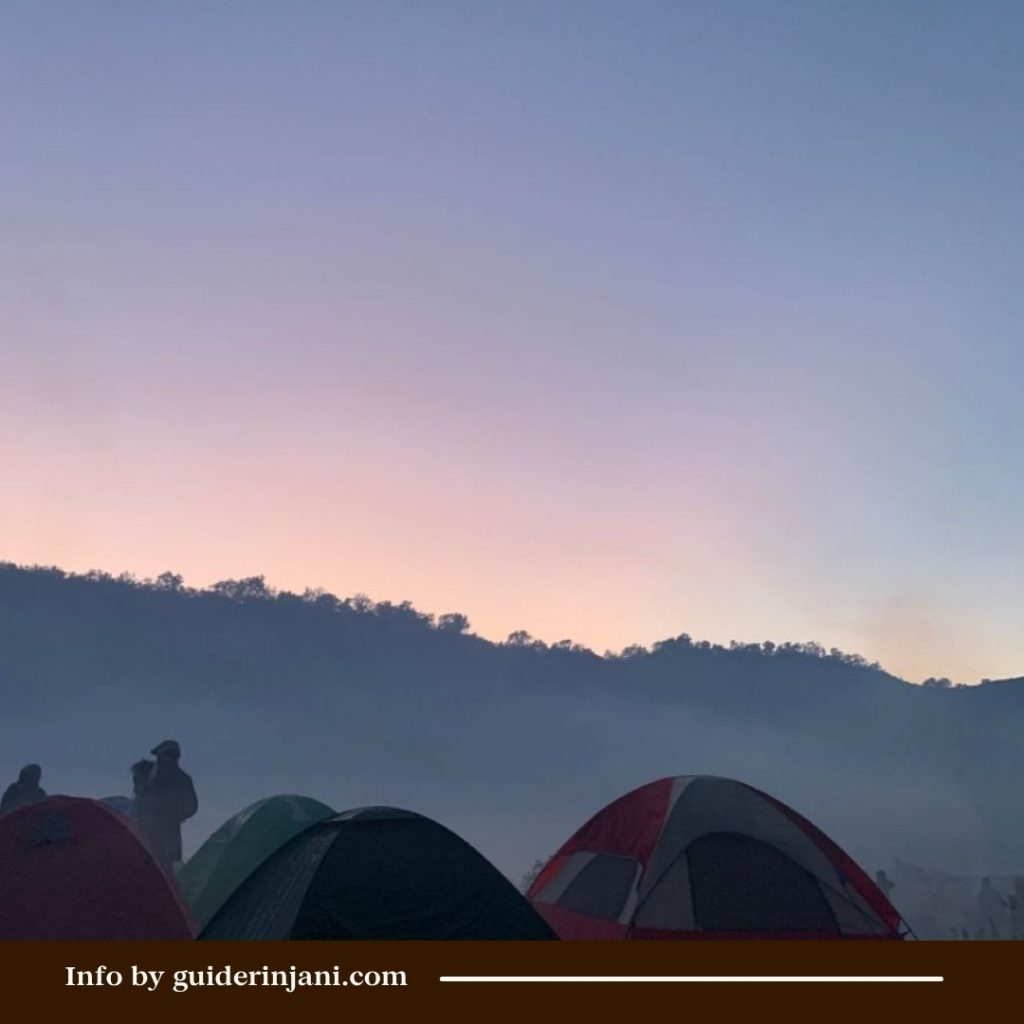
Not many people expect the area near the summit of Mount Rinjani to become this cold at night. The wind can be incredibly strong and feel like it cuts straight through your clothes. That is why preparing the right clothing is not simply about staying comfortable. It is an important part of preparing for a safe and enjoyable trek.
Here are four reasons why Mount Rinjani can feel crazy cold at night.
1. High Altitude
The first reason is altitude. Mount Rinjani reaches an elevation of more than 3,700 meters above sea level. As you climb higher, the air becomes thinner compared with the air at sea level.
Thin air has a lower capacity to retain heat, and the surrounding environment becomes much colder. This is one of the reasons temperatures at high elevations can be dramatically different from those in Lombok’s lowlands.
Imagine leaving a warm area in Lombok in the afternoon and then spending the night several thousand meters above sea level. The difference can be surprising. The higher you climb, the more important your clothing system becomes. A regular T-shirt and thin jacket may feel completely inadequate near the summit.
2. Rapid Heat Loss
Another reason is how quickly the ground loses heat after sunset. During the day, sunlight warms the surface of the mountain. Once the sun disappears, however, that heat begins to escape back into the atmosphere.
At high elevations, the combination of thin air, clear skies, and limited moisture can allow heat to escape rapidly. As a result, the temperature can drop considerably once darkness arrives.
This is especially noticeable when you are camping overnight. You might feel comfortable while trekking during the afternoon because your body produces heat as you walk. But once you stop moving, especially at night, the cold can become much more noticeable.
That is why a warm sleeping system and proper layers are essential if your Rinjani itinerary includes an overnight stay.
3. Dry Season Effects
The dry season can also make the nighttime cold feel more intense. During clear and dry nights, the air contains less moisture. With fewer clouds and lower humidity, the mountain surface can lose heat more efficiently after sunset. For hikers, this means a clear night does not necessarily mean a comfortable night.
In fact, the beautiful clear skies that make the stars around Mount Rinjani spectacular can also come with freezing-feeling temperatures. This is something to remember if you plan to climb during the dry season. Do not assume that clear weather means warm weather.
The opposite can happen once the sun goes down.
4. Strong Winds
Finally, there is the wind. This may be one of the biggest reasons hikers describe Mount Rinjani as “crazy cold” at night.
Open areas around the crater rim and summit are exposed to strong winds. When the wind hits your body continuously, it removes heat from your skin faster and makes the air feel significantly colder. This phenomenon is known as wind chill.
For example, the actual air temperature may already be very low. When strong wind blows across your body, the temperature can feel even colder than the thermometer reading suggests.
The problem becomes more noticeable during a summit attack. Many hikers start their summit trek in the middle of the night when temperatures are at their lowest. You may already be tired, your body may have less energy available, and then you have to deal with cold air and strong winds. That combination can be brutal.
Also read: 4 “Lifesaver” Items for Your Mount Rinjani Trekking Tour
Tips for Surviving the Crazy Cold on Mount Rinjani at Night
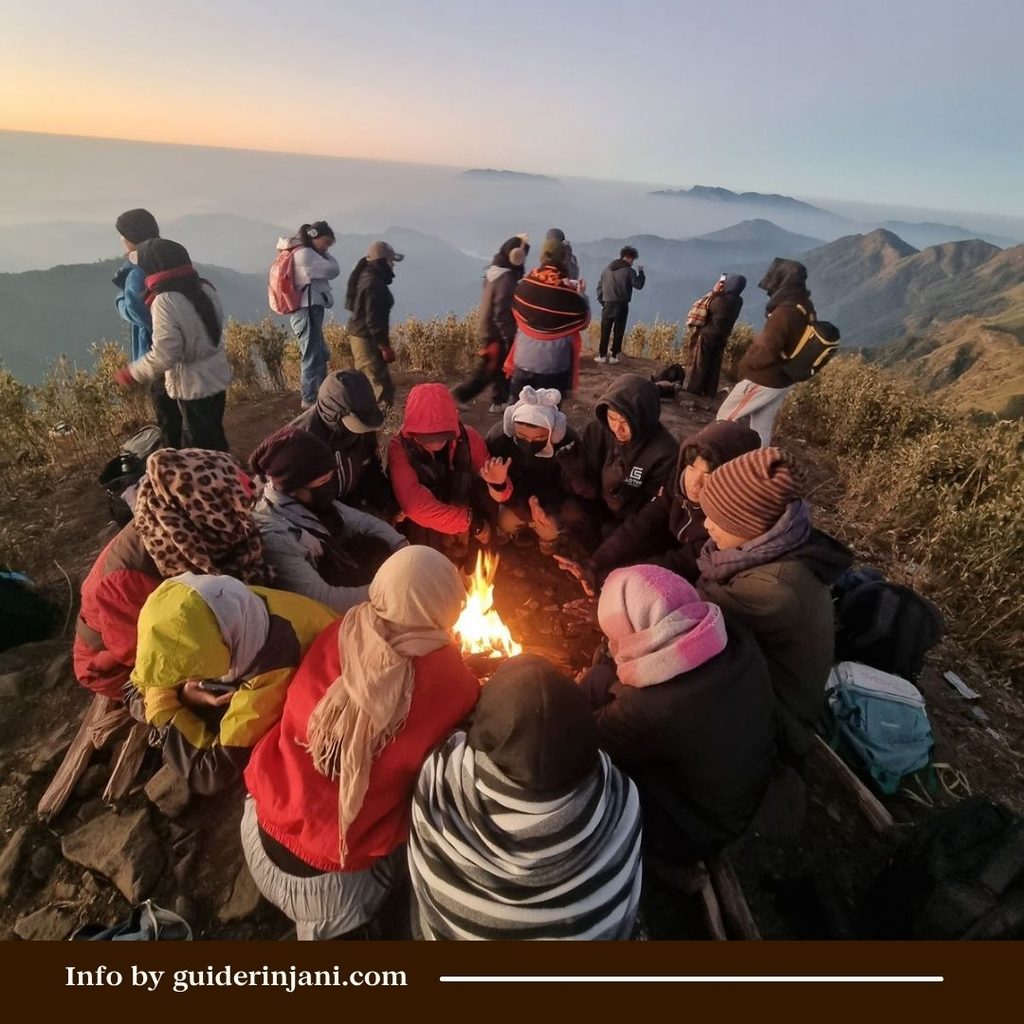
Now that you know the answer to “is Mount Rinjani cold?”, the next question is: how do you prepare for it?
If you are planning to spend the night on Mount Rinjani, especially if your itinerary includes a summit attack, prepare clothing that can protect your body from both low temperatures and strong wind.
Here are some essentials you should consider bringing.
- Bring Thermal Clothing. A thermal base layer can help keep your body warm by providing an additional layer underneath your regular trekking clothes. Choose a comfortable thermal shirt and thermal pants that you can wear during the coldest parts of the trek.
- Bring Warm Gloves. Your hands can become uncomfortable very quickly in cold and windy conditions. Bring a pair of warm gloves, preferably ones that provide sufficient insulation while still allowing you to move your fingers comfortably. This becomes particularly important during a nighttime summit attack.
- Wear a Windproof Jacket. Do not rely only on a thick jacket. A windproof outer layer is extremely useful because strong wind can penetrate poorly designed clothing and make your body lose heat quickly.
Do not play around with mountain weather. Mountain weather can change quickly. Even if the weather looks pleasant when you start your trek, conditions can become much colder as you gain elevation and approach nighttime.
If you are unsure about what to pack, ask your trekking operator before departure. Experienced local guides can help you understand what equipment and clothing are appropriate for your chosen route and season.
Also read: Best Rinjani Trekking Guide with 5-Star Google Reviews in 2026
Ready for Your First Mount Rinjani Trek? Plan It with Irwan Trekking!

If you are dreaming of climbing Mount Rinjani for the first time but still feel confused about the route, equipment, accommodation, or what you need to prepare, Irwan Trekking can help you plan your adventure.
With Irwan Trekker, you can choose trekking packages based on your available time and travel plans. The shortest option is a 2-day, 1-night Mount Rinjani trek, while longer trips can last up to 8 days, combining a Rinjani trekking experience with exploration around Lombok.
The payment system is also designed to make the planning process easier. You only need to pay 20% upfront when registering, while the remaining payment can be made when you arrive in Lombok and the Irwan Trekker team picks you up.
The trekking package already includes various essential services, such as transportation, accommodation, meals, camping equipment, and other necessities. This means you can focus on preparing yourself and bringing the personal equipment you need.
Still confused about what to bring? You can consult with the Irwan Trekker team before your trip. They can help you understand what personal clothing and equipment you should prepare based on your trekking package.
Contact Irwan Trekker via WhatsApp at +62 819-1160-0199 and start planning your adventure!